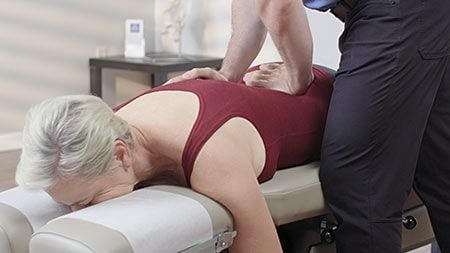
 Daniel David Palmer is credited with developing modern chiropractic care in the U.S. in 1895. Since that time, chiropractic care has spread across the world and in many practices involves more than spinal care alone—though the basic philosophy of chiropractic care remains the same: to diagnose and treat the physical body without the use of prescription drugs or surgery.
Education and Certification
There are 40 chiropractic schools worldwide, and half of these are in the United States. The first chiropractic school was founded by Daniel David Palmer (the same guy mentioned above) in Iowa in 1897. That school, Palmer College of Chiropractic, is still teaching chiropractic students today. While each school differs in its educational requirements for admission, all schools require students to complete a rigorous program of study that typically takes 4 years after undergraduate education requirements have been met.
A chiropractic student spends over 4,200 hours in the classroom and practice lab learning about basic sciences, clinical sciences, chiropractic philosophy and technique before beginning work in the practical clinic. Each student spends a minimum of 1,000 hours in the practical clinic before earning a degree as a Doctor of Chiropractic. During chiropractic studies, students must complete and pass a series of tests from the National Board of Chiropractic Examiners to become a licensed chiropractor and legally practice chiropractic in the United States.
Learning doesn't stop for chiropractors after graduation. Each year, chiropractors must complete continuing education credits to keep their license to practice current. The number of continuing education credits needed varies, depending on the specific state licensing board.
Techniques
There are a number of different techniques that chiropractors use in the office. Some of these are taught in chiropractic school, and some chiropractors develop other skills and techniques in continuing education classes. Many chiropractors use their hands as their main treatment tool. However, there are also techniques that use hand-held devices for treatment. Some of these devices are manual and others are electronic, but all are controlled by the chiropractor.
In addition to chiropractic adjustment techniques, some chiropractors may use other therapies in the office to help you. These therapies may include therapeutic ultrasound, interferential current (also known as “electric stimulation”), low-level laser therapy, hot/cold packs, stretching, strengthening/stabilizing exercises, movement taping and many more. You will receive the types of treatment that are most appropriate for your individual condition.
What to Expect
During your first visit, you will be asked about your complaints and concerns. After the discussion, we will perform an examination consisting of neurologic and orthopedic testing, as well as check out the joints and soft tissues (muscles, ligaments, tendons) in the areas of concern to diagnose the condition. Often a diagnosis can be made in the office, but sometimes more information is needed from an x-ray, MRI or lab work. After a full examination and review, we can talk about which treatment options are right for you.
Whom We Treat
Chiropractors, in general, are trained in family chiropractic practice—to treat both children and adults. Some chiropractors continue their training to specialize in treating a certain group of people (athletes, children, pregnant women, elderly, etc.) or certain types of conditions (headaches, motor vehicle accidents or sports injuries, to name a few). Whether you are looking for wellness or preventive care or need treatment for a painful problem, chiropractors are happy to help.
Chiropractic care has been around for a long time and has served many patients well. If you have specific questions about chiropractic care, please let us know.